
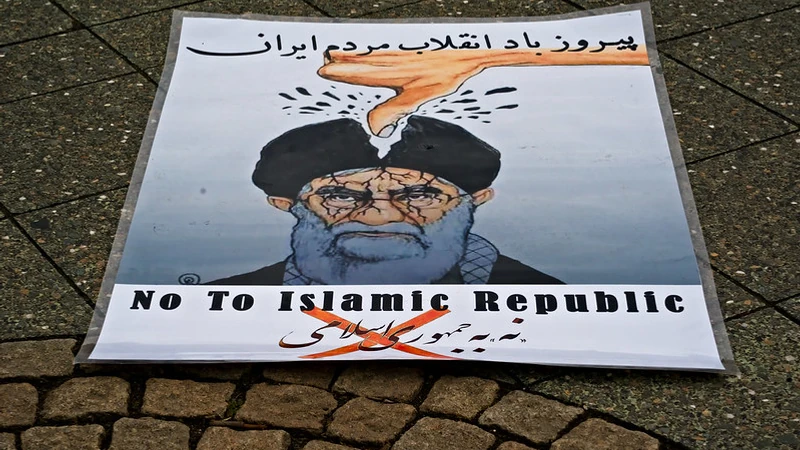
The protests in Iran, which ignited at the end of last year, continue to gain momentum despite the government’s crackdown and growing death toll. Among the most remarkable protesters are young Iranian women, who epitomize the struggle against one of the world’s most oppressive regimes.
When we think of “Iranian women,” images of those cloaked in hijabs and burqas may come to mind. Yet, it’s important to remember that prior to the 1979 Islamic Revolution, women in Iran enjoyed considerable personal freedom. They wore fashionable Western attire, proudly revealed their faces, arms, and legs in public, and had access to abundant educational opportunities. Many women earned college degrees, held professional jobs, started businesses, and socialized freely with men.
However, the 1979 Islamic Revolution, spearheaded by secular intellectuals, led to the dramatic overthrow of the Shah, the last Persian monarch of Iran, and ushered in the return of Ayatollah Ruhollah Khomeini. Khomeini, once a philosophy professor in Qom, had been exiled in 1964 for resisting the Shah’s pro-Western economic and cultural reforms. As Supreme Leader, Khomeini transformed Iran into a staunch anti-Western Islamist theocracy. Following his death in 1989, Ali Khamenei ascended to power, perpetuating a regime that has not only become increasingly totalitarian but also is a key sponsor of terrorism across the Middle East and beyond.
The Islamic state has implemented some of the most oppressive policies against women. The regime voided the Family Protection Act, which previously guaranteed women’s rights in marriage. Women are mandated to wear the hijab in public, and a new government agency was created, along with mosque-based committees, to ruthlessly enforce Islamic dress and behavior codes, often meting out arbitrary “justice.”
Read More on The Federalist